Healthy Conflict Across Generations
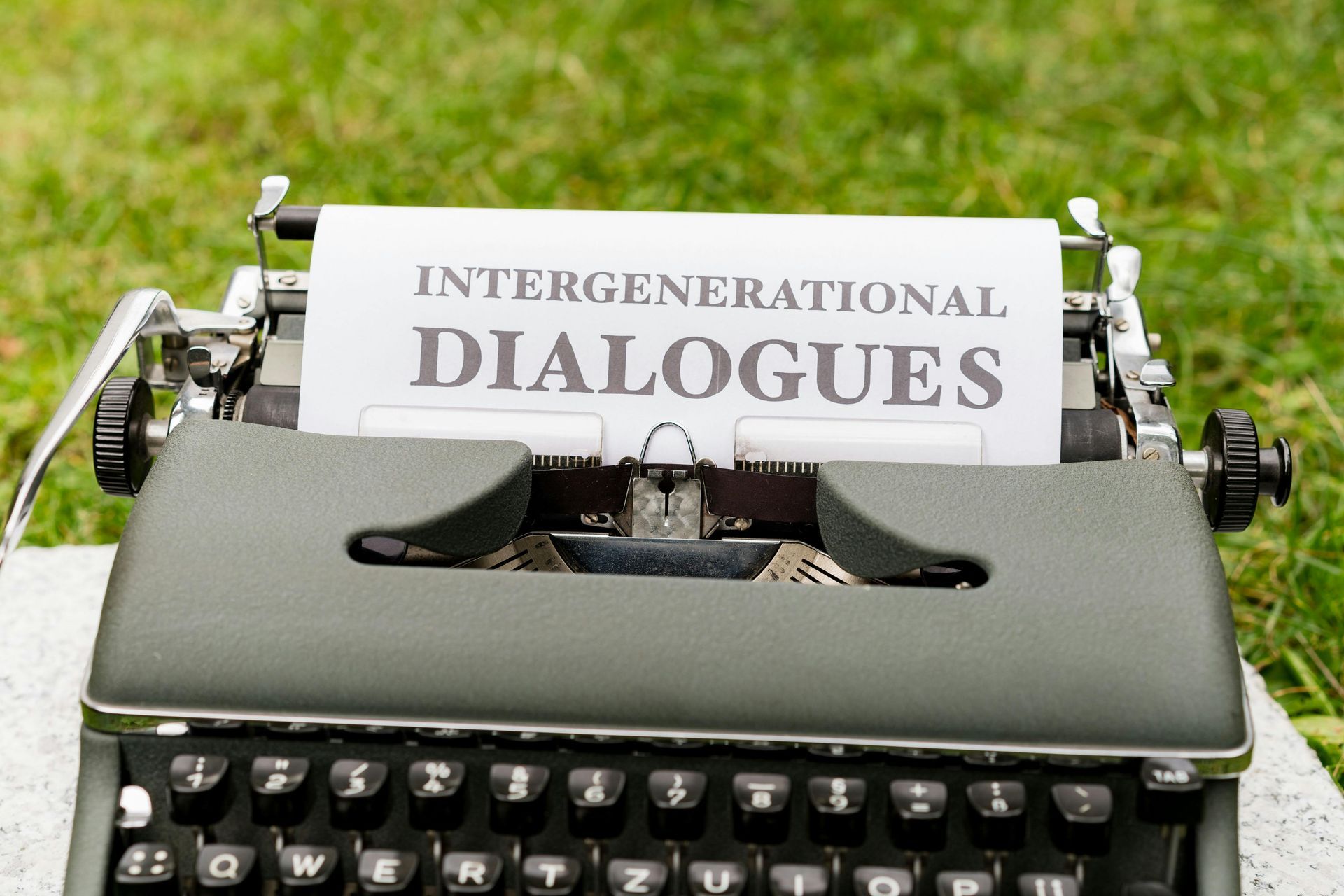
Generational differences are becoming an increasingly important topic in today’s workplace, influencing communication, teamwork, and mutual respect. The four central generations are experiencing significant social, emotional, and technological divides, which can reduce understanding and trust and lead to more conflict. This has created greater polarization, as people seek safety with peers close to their age rather than embracing opportunities for growth and a richer career through dynamic relationships across all generations. So how can we help build sturdier relationships, and reform trust with those of different ages?
Like so many, I have certainly found myself in miscommunications and conflict fueled by generational differences. Having worked in healthcare as my first career, these generational differences can be stark, not only in the way incoming medical professionals are educated but also in the dynamics of staff and clinicians and most certainty in the communication from clinician to patient. However, generational conflict expands to all industries, and likely, you can relate to comments such as “back in my day”, “it’s just how the world works”, “they just want to work from home” that promote more of a cliché around generations than get to the heart of our differences and how they might benefit us instead of hinder us. In fact, most of the conflict that is fueled by our age diversity comes from overgeneralization and assumptions that we have made about one another that justifies our frustrations in tense moments.
As a leading conversation, and an area I have found most mangers want greater support in, here are some ways we can make positive change.
Embrace a needs-based communication style
Coined by Dr. Marshall Rosenburg, needs based communication (or more commonly known as nonviolent communication) is a style of communication that de-escalates our language and focuses more on meeting the needs and values of a person. Our language can get us really bogged down in exaggeration, who deserves what, comparisons and judgments, all of which are breading grounds for our unconscious biases. If we can catch ourselves doing this and become aware of it, we can bring ourselves back to the human experience of others we are in conflict with. Next time you find yourself in a misunderstanding, conflict or difficult discussion again ask yourself these questions:
What feelings do I notice being present?
What needs am I trying to meet for myself?
What needs do I think they are trying to meet? Are they the same as mine?
What values do I hold that can help me navigate this?
Understanding that individuals interact primarily to fulfill their needs—rather than to be confrontational—can fundamentally change how we view generational differences. Our shifting needs and circumstances, influenced by age and life experiences, shape our behaviors at work. By recognizing that each generation approaches its needs in unique ways, we open opportunities for building stronger, more innovative teams.
Embrace these diverse perspectives with openness and communicate around your needs, it will allow you to let go of judgement.
Lean into shared values
A place we can find commonality and maintain a needs-based approach to our communication is through values. Individuals all have a set of core values they live by, but what we don’t always realize is that we often share a lot of our value systems, we just have different ways of defining and honoring those values.
Megan Gerhardt, in her book Gentelligence, goes on to identify that across age diversity we have four shared values in the workplace. These values are, Respect, Autonomy, Connection, Competency. No matter where you land on the generational spectrum, likely, these resonate with you, and it shows that we have more in common with one another than not. We all have the unique desire to be seen as skilled and valued for these skills as well as to experience both collaboration and freedom in our work.
Knowing what shared values we may have across our generations, doesn’t however mean that hard work doesn’t have to happen to get to know one another. Our shared values are a foundational place to learn from, and when we incorporate that we collectively want to experience respect, autonomy, connection, and competency in the workplace we can start to get curious. However, it is still up to you to ask the open-ended questions that bring greater understanding and to check your own assumptions that might lead to unhealthy conflict.
Fostering healthy conflict across generations starts with recognizing both our shared values and the unique needs that shape how we communicate and work together. By embracing needs-based communication, we reduce assumptions and judgments, allowing us to connect more authentically and build trust. Leaning into common values like respect, autonomy, connection, and competency, we create a foundation for positive change, regardless of age differences.
While generational divides may fuel misunderstandings, curiosity and openness help us move beyond stereotypes and toward stronger, more collaborative workplaces. Ultimately, when we approach conflict with empathy and flexibility, we not only bridge generational gaps but also enrich our professional relationships and team dynamics.
Share
The Sage Source: Insights in HR & Development